
 2 Camden Pl, Patrick’s Bridge,
Home > Latest News & Guides > Laser Hair Therapy Success Rate, What the Clinical Evidence Shows
Laser Hair Therapy Success Rate, What the Clinical Evidence Shows
Contact us today
Date added: 23/05/26
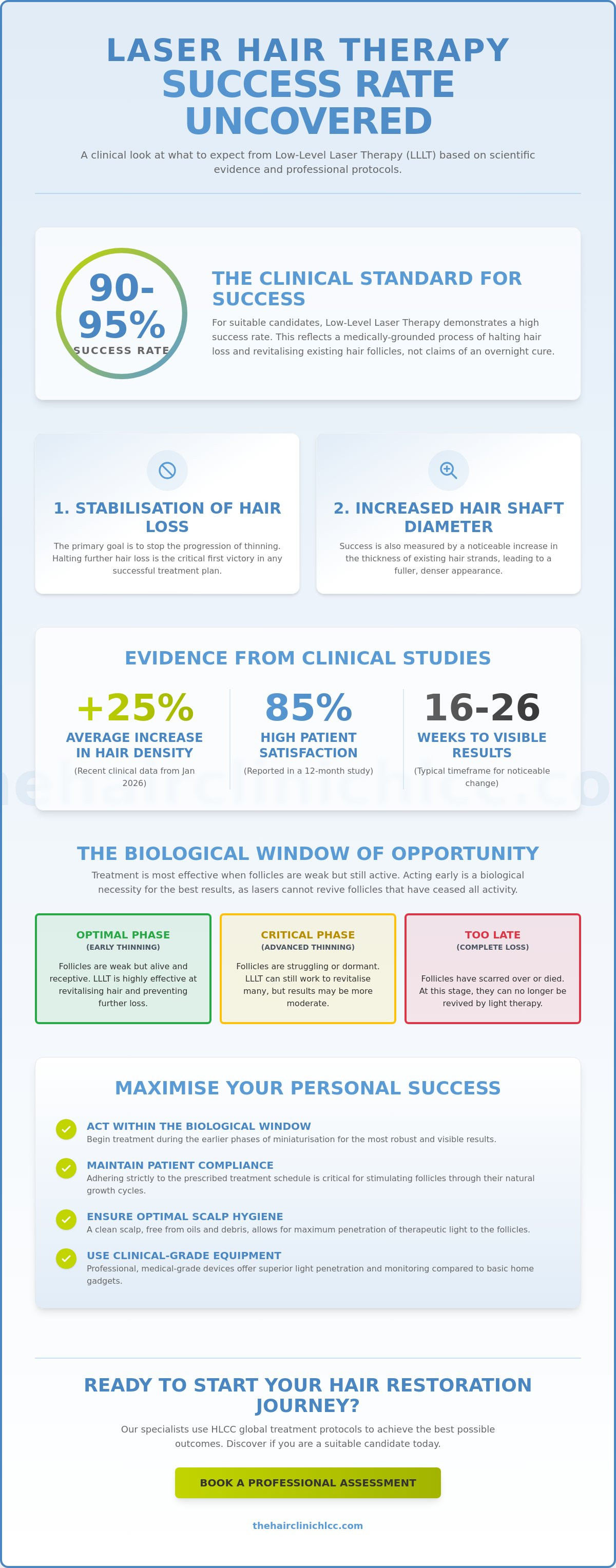
Did you know that recent clinical data from January 2026 shows a 25% average increase in hair density for those using low-level laser therapy?
For many people in Ireland, the search for a solution to thinning hair is often clouded by the fear of wasting money on ineffective treatments.
Understanding the true laser hair therapy success rate is the first step in moving from worry to a proactive, science-backed plan for restoration.
We understand the emotional weight that comes with hair loss and the confusion caused by conflicting claims about success found online.
This guide explores the latest clinical evidence, including a 12-month study in which over 85% of participants reported high satisfaction with their results.
You'll learn how to maximise your own outcomes through specific protocols and gain a clear understanding of what the science says about achieving thicker, healthier hair without the need for invasive surgery.
Key Takeaways
- Understand how clinical success is defined through the stabilisation of hair loss and a measurable increase in hair shaft diameter.
- Discover why the laser hair therapy success rate is highest when treatment begins within the biological window whilst follicles are still active.
- Learn how Low Level Laser Therapy stimulates adenosine triphosphate production to revitalise thinning hair across various conditions.
- Identify the critical role of patient compliance and scalp hygiene in preparing the surface for optimal light penetration and results.
- Explore the personalised HLCC global treatment protocols available at our specialised centres in Cork and Waterford.
Table of Contents
If you would like to speak with a specialist about your own hair restoration journey, please contact our team today to arrange a professional assessment.
Success rates for laser hair therapy explained
Clinical success in the field of hair restoration is often misunderstood by those searching for a quick fix. In a professional environment, we define success as the stabilisation of hair loss combined with a measurable increase in hair shaft diameter. For suitable candidates who meet specific clinical criteria, the industry standard laser hair therapy success rate is between 90 and 95 percent. This high percentage reflects the treatment's ability to halt the progression of thinning and improve the vitality of existing follicles. It's a grounded, medical perspective that prioritises the health of the scalp over hyperbolic claims of overnight transformation.
The way we measure these outcomes involves tracking improved hair density and overall follicular health over several months. It's vital to recognise that the laser hair therapy success rate is not a static number; it varies based on the stage of hair thinning at the start of the protocol. Patients who begin treatment during the earlier phases of miniaturisation generally see more robust results than those who wait until the thinning is advanced. This is why we emphasise the biological window of opportunity, as acting quickly can preserve hair that might otherwise be lost permanently.
What clinical studies say about hair density
Independent research provides a strong foundation for the results we see in our clinics. A landmark 2014 study showed significant hair growth in both men and women who utilised Low-level laser therapy for hair loss. Whilst some patients expect immediate changes, the typical timeframe for visible results is usually between 16 and 26 weeks. This period allows the follicles to move through their natural growth cycles. We also find that the use of medical grade equipment is a deciding factor in these studies, as clinical devices offer superior light penetration compared to basic, unmonitored home gadgets.
Defining realistic expectations for new patients
Setting realistic expectations is a core part of our consultative approach. For many, success involves a combination of maintenance and regrowth. Stopping further loss is the first priority, followed by the thickening of existing strands to create a fuller appearance. Early intervention leads to the highest success percentages because it targets follicles before they become dormant. We consistently find that professional treatments offer much higher stability and better long term outcomes than unmonitored options, providing patients with the reassurance that their investment is backed by proven clinical protocols.
To discover if you are currently within the ideal timeframe for treatment, you can book a professional assessment with our clinical team today.
The biological window and how light stimulates growth
Understanding the science behind hair restoration requires looking at the life cycle of the follicle itself. We often speak to patients about the biological window. This is the period during which a hair follicle is still alive and capable of producing hair, even if that hair has become thin, wispy, or barely visible. LLLT Laser Treatment works by targeting these struggling follicles with specific wavelengths of light. It's a process of cellular stimulation that provides the energy needed to shift a follicle from a dormant state back into a productive one.
When we discuss the laser hair therapy success rate, we're really talking about how many follicles we can successfully transition from the resting phase, known as telogen, to the active growth phase, known as anagen. This transition is powered by the production of adenosine triphosphate, or ATP. Think of ATP as the fuel for your cells. By increasing this energy production, the laser encourages the follicle to stay in the growth phase for longer, resulting in thicker and more resilient hair. However, it's a clinical reality that lasers cannot revive follicles that have been completely dormant for many years. Once a follicle has scarred over or ceased all activity, light therapy is no longer an effective solution. This makes early intervention a biological necessity rather than just a recommendation.
The science of cellular respiration in the scalp
The core of this treatment lies in cellular respiration. When the scalp is exposed to medical grade lasers, photons are absorbed by weak cells. This absorption triggers a series of biochemical reactions that encourage regeneration. One of the most important secondary effects is a significant increase in local blood flow. As circulation improves, more oxygen and vital nutrients reach the root of the hair. This nutrient delivery is what strengthens the hair shaft from the inside out. Multiple Clinical trials on LLLT for hair loss have confirmed that this increased metabolic activity is the primary driver of improved density.
Why timing is the most critical factor for success
The risk of waiting too long to begin a treatment programme cannot be overstated. Hair loss is a progressive condition, and the biological window closes a little more every day that a follicle remains undernourished. Visible signs that you're still within the treatable window include general thinning or the presence of miniaturised hairs in areas where hair used to be thicker. If you're noticing these changes, it's the ideal time to seek a professional scalp analysis. Our specialists use high magnification tools to determine follicular viability and ensure that your personalised plan is built on a foundation of scientific fact. If you're concerned about your progress, you can reach out to our Cork or Waterford centres for a detailed review of your scalp health.
If you are unsure which condition is affecting your scalp, please get in touch with our specialists for a comprehensive diagnosis and a personalised review of your options.
Success rates across different hair loss conditions
Success is not a uniform experience for every patient. The laser hair therapy success rate depends heavily on the underlying cause of the thinning and the specific health of the scalp environment. Whilst Androgenetic Alopecia is the most common condition treated with light therapy, other forms of hair loss, such as those caused by physical stress or temporary hormonal shifts, also show remarkable responses to clinical stimulation. By understanding how different conditions react to light, we can better predict the timeline and scale of your results.
Certain conditions respond more rapidly because they involve follicles that are temporarily undernourished rather than permanently damaged. When light energy is introduced, these follicles have a higher capacity for immediate recovery. In contrast, conditions involving long term genetic thinning require more patience and a consistent schedule to achieve the desired stabilisation. Our role is to guide you through these nuances, ensuring you have a clear picture of what is achievable for your specific hair type.
Success for male and female pattern thinning
Pattern baldness is the primary focus of most clinical research in this field. For men, the men's hair loss solutions we provide often show that the crown and vertex respond more rapidly to treatment than a deeply receding hairline. This is because the follicles in the crown often retain higher viability for a longer period. Women experiencing diffuse thinning across the top of the scalp also see high success. The laser helps counteract the miniaturising effects of hormones, revitalising the follicle to produce thicker strands. The speed of this response is often influenced by individual hormonal factors, but the core objective remains the stabilisation of the thinning process.
Laser therapy for stress and temporary shedding
Conditions like Telogen Effluvium, which is often triggered by extreme stress, illness, or rapid weight loss, involve a sudden shift of hairs into the shedding phase. In these cases, the laser hair therapy success rate is measured by how quickly we can return the scalp to a normal growth cycle. By reducing scalp inflammation and increasing cellular energy, lasers can significantly accelerate the recovery timeframe. Many patients find that the effectiveness of laser hair treatment is even more pronounced when used as part of a multi-therapy approach for complex cases. This combined strategy helps to humanise the data, moving beyond simple percentages to provide a tangible sense of progress during a difficult time.
For those dealing with Traction Alopecia, which is hair loss caused by repeated tension, laser therapy serves as a vital tool for managing symptoms. It encourages regrowth in areas where the follicles have not yet reached the point of permanent scarring. Regardless of the condition, the goal is always the same: providing a non-invasive path to thicker hair and the restoration of your self-image.
To ensure you are following the most effective protocol for your hair type, please reach out to our clinical team for a personalised consultation.
Factors that determine your personal treatment outcome
Whilst the technology behind our treatments is advanced, the ultimate laser hair therapy success rate is often decided by the patient's own commitment to the process. Clinical results are not achieved in isolation. They are the product of a disciplined partnership between the specialist and the individual. Patient compliance stands as the most significant variable in determining long term outcomes. Skipping sessions or allowing long gaps between treatments can stall progress, as the follicle requires regular stimulation to remain in the active growth phase. Restoration is a marathon, not a sprint.
Another critical but frequently ignored factor is the condition of the scalp itself. For the light energy to penetrate deeply enough to reach the hair bulb, the surface must be clear of obstructions. We find that nutrition and the management of dihydrotestosterone (DHT) also play vital roles in the final result. A follicle that is being chemically suppressed by DHT will struggle to respond to light therapy unless that hormonal pressure is addressed simultaneously. Success depends on creating a holistic environment where the hair can thrive.
The role of scalp health in light absorption
The physics of light therapy are simple but strict. Sebum buildup, dead skin cells, and product residue can act as a physical barrier that reflects or scatters laser energy before it reaches its target. This is why we recommend a professional hygiene routine as a prerequisite for every session. By utilising specific scalp treatments to clear the pores, we create an environment where light absorption is maximised. This synergy between a clean scalp and laser stimulation is what separates clinical results from unmonitored home attempts.
Combining medication for an enhanced success rate
For many patients in our Irish clinics, the most robust results come from a multi-therapeutic approach. This involves using Minoxidil and DHT blockers alongside our LLLT Laser Treatment. Whilst the laser provides the energy needed for growth, medications work to protect the follicle from the genetic triggers of thinning. This dual-action strategy addresses the problem from multiple angles, significantly increasing the likelihood of long term stabilisation. Following a structured clinical protocol ensures that every element of your hair health is being supported.
If you are ready to move away from guesswork and follow a proven path to thicker hair, book your initial assessment at one of our centres today.
If you are ready to explore your options with a clinical specialist, please reach out to our team today to schedule your initial scalp analysis.
Clinical laser hair therapy at The Hair Clinic
At The Hair Clinic, we believe that every patient deserves a path to restoration that is grounded in scientific rigour and deep empathy. We utilise the HLCC global treatment protocols, which have been refined over decades of clinical practice across the world, within our specialised Irish centres. These protocols ensure that the laser hair therapy success rate we achieve for our patients is consistent with international standards of excellence. By combining advanced technology with a patient-focused approach, we move beyond generic solutions to provide a level of care that respects the emotional impact of hair thinning.
A defining element of our service is the commitment to regular professional monitoring. Unlike unmanaged home treatments, our clinical programmes include consistent reviews to track your progress and adjust your protocol as needed. This transparency is vital. We establish realistic clinical goals from the very beginning, ensuring you understand exactly what can be achieved based on your current stage of hair loss. We act as a dedicated partner in your journey, providing the precision and patience required to restore both your hair and your self-image.
Our approach to hair restoration in Cork and Waterford
Our presence in Cork and Waterford allows us to provide high-level medical expertise within a supportive, local community context. The process begins with a comprehensive initial assessment designed to determine if you are still within the treatable biological window. We use medical-grade laser technology that meets strict safety standards, ensuring maximum light penetration without any discomfort or downtime. With years of experience serving the Irish community, our specialists understand the unique concerns of our patients and provide a sense of security that only a seasoned veteran in the field can offer.
Real results from our Irish patient community
We encourage anyone considering treatment to view our patient testimonials to see the real-world evidence of our work. These first-person accounts provide a narrative break from clinical data, showing the tangible physical and emotional outcomes of our LLLT Laser Treatment. We document every success story with care, tracking density changes and follicular health over time to provide you with a clear map of your own progress. Our care is entirely non-invasive and prioritises your safety at every stage, offering a proactive philosophy toward hair preservation that you can trust. If you've been worried about the future of your hair, let us help you move toward a sense of hope and a proactive solution.
To find out more about our personalised treatment plans and clinical standards, please speak with our hair loss specialists to arrange your visit.
Securing your future hair health
Achieving a thicker and healthier head of hair is a journey that requires both scientific precision and consistent commitment. By understanding the factors that drive the laser hair therapy success rate, you can move away from the frustration of ineffective treatments and toward a plan that actually works. We've seen that acting whilst your follicles are still within the biological window is the most critical step you can take. When combined with HLCC global treatment protocols and a dedicated scalp hygiene programme, the path to stabilisation becomes clear and attainable. Restoration is possible with the right approach.
As an independently owned Irish clinic, we're proud to offer a supportive environment where your self-image is our priority. We provide the professional monitoring and medical-grade technology needed to ensure your progress is tracked accurately every step of the way. If you would like to discuss your specific hair concerns with a specialist, please book a professional consultation at our clinic. Our complimentary initial assessments are designed to remove barriers and provide you with the honest, clinical answers you need. You don't have to face thinning hair alone; a science-backed solution is within your reach.
Frequently Asked Questions
How long does it take to see a high success rate with laser therapy
Most patients begin to see a measurable laser hair therapy success rate within 16 to 26 weeks of consistent treatment. This timeframe allows the follicles to complete a full growth cycle and transition from the resting phase to the active growth phase. Whilst some people notice changes in hair texture earlier, the most visible improvements in density and thickness usually appear after four to six months of following a clinical protocol.
Is laser hair therapy effective for everyone experiencing thinning
Laser therapy is most effective for individuals in the early to moderate stages of hair thinning where the follicles are still alive. It is not a suitable solution for those who have reached a stage of complete baldness or where the scalp has scarred over. A professional assessment is necessary to determine if you are within the treatable biological window where light stimulation can still trigger a regenerative response.
Are there any side effects that could lower the success of the treatment
LLLT Laser Treatment is known for its high safety profile and lacks the systemic side effects often associated with pharmaceutical options. There are no reported device-related adverse events such as burns or scalp irritation when used according to clinical guidelines. This lack of downtime or discomfort ensures that patients can remain compliant with their schedule, which is the most important factor in maintaining a high success rate over time.
Can I use laser therapy after a hair transplant for better results
Many specialists recommend using laser therapy as a complementary treatment following hair transplant surgery to support the healing process. The increased blood flow and cellular energy produced by the laser can help the newly transplanted grafts settle more effectively. Whilst we don't perform the surgery itself, we often work with patients to provide post-operative laser protocols that aim to maximise the health and stability of the surrounding native hair.
How often do I need to attend sessions to maintain my success rate
To maintain a consistent laser hair therapy success rate, most clinical protocols require sessions two to three times per week. Each session typically lasts for about 20 minutes. This frequency ensures that the follicles receive a steady supply of light energy to keep them in the anagen growth phase. Once the desired results are achieved, a maintenance schedule is usually established to preserve the density and prevent further thinning from occurring.
Does the success of laser therapy depend on the colour of my hair
The success of laser hair therapy does not depend on the colour of your hair or your skin tone. Unlike laser hair removal, which targets the pigment in the hair, Low Level Laser Therapy targets the cells within the follicle itself. This means it is equally effective for individuals with blonde, red, grey, or dark hair. The primary variable for success remains the biological health of the follicle rather than its colour.
What happens to my hair if I decide to stop the laser treatments
If you stop your laser treatments entirely, the progressive nature of genetic hair loss will eventually resume. Laser therapy is a long term management tool rather than a permanent cure. Without the ongoing cellular stimulation provided by the light, the follicles may slowly begin to miniaturise again over several months. Most patients transition to a less frequent maintenance programme to protect the progress they have made during their initial treatment phase.
Is a professional clinic treatment more successful than a home laser cap
Professional clinic treatments generally offer higher success than unmonitored home caps because they use medical grade equipment with superior light penetration. Clinical devices are designed to provide a specific, consistent dosage of light across the entire scalp. Having a specialist monitor your progress allows for adjustments to your protocol. This ensures that factors like scalp hygiene and patient compliance are managed to optimise your final result and provide greater peace of mind.
Article by
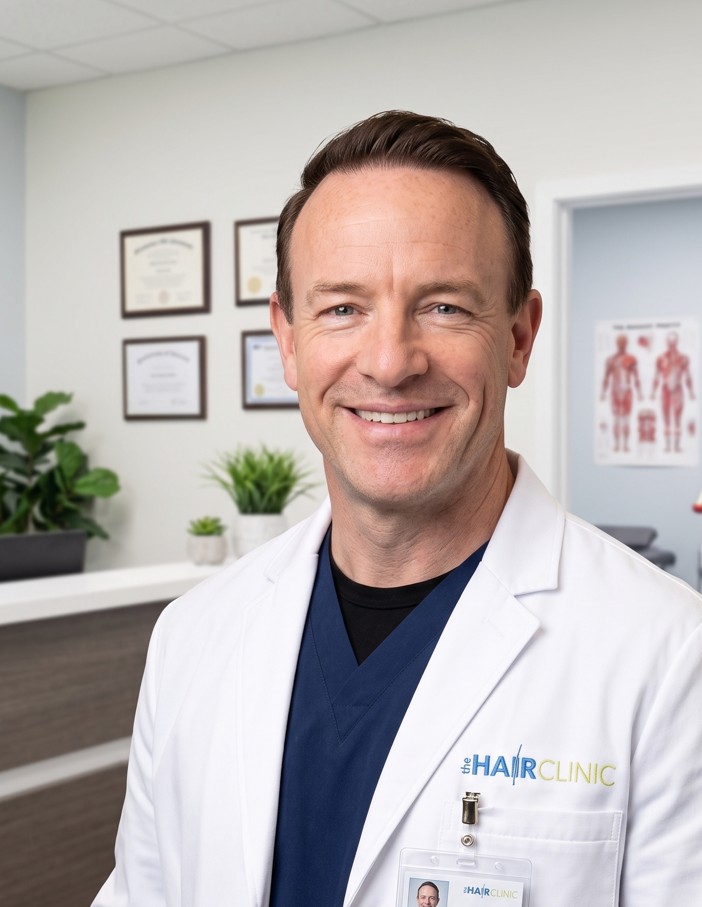
Mark O'Sullivan
As Director of The Hair Clinic in Cork and Waterford, I am dedicated to helping our patients address their hair loss through expert trichological care. Our team provides professional laser hair treatments and personalised solutions to help clients restore their confidence.
Disclaimer
Please note that the information provided is for general guidance only and should not be taken as professional advice tailored to your specific circumstances.
Find out if Laser Hair Therapy is right for you
At The Hair Clinic, we make managing thinning hair simple and stress free. No more worrying about which products to trust, as we do all the hard work for you. Our Cork & Waterfood teams are here to help you find the perfect, clinically proven treatment plan to suit your goals.
Want to know how laser therapy can stimulate growth and what kind of results you could expect?
No problem. Get in touch with our friendly team today to book your free consultation, and we’ll be happy to help.
Related Hair Treatment News & Guides
If you liked this guide then you may also like the following:
Laser Hair Therapy at Home vs Clinic for Hair Growth in 2026
The most convenient option might actually be the one that delays your recovery. When you are comparing laser hair therapy at home vs a clinic, it is...
Traction Alopecia Recovery Plan and Professional Clinical Solutions
Your hairline isn't necessarily gone for good, but the clock is ticking on its biological ability to recover.You have likely spent mornings in front...
Laser Hair Therapy for Thinning Hair in Cork, The Clinical Guide to Restoration
Did you know that over 80% of Irish men experiencing hair loss report that their confidence is negatively affected? It's deeply distressing to notice...
Laser Hair Therapy Side Effects for Women and Clinical Safety Facts
What if the most effective way to restore your thinning hair didn't involve painful surgery, harsh chemicals, or the risk of thermal burns?It's completely...
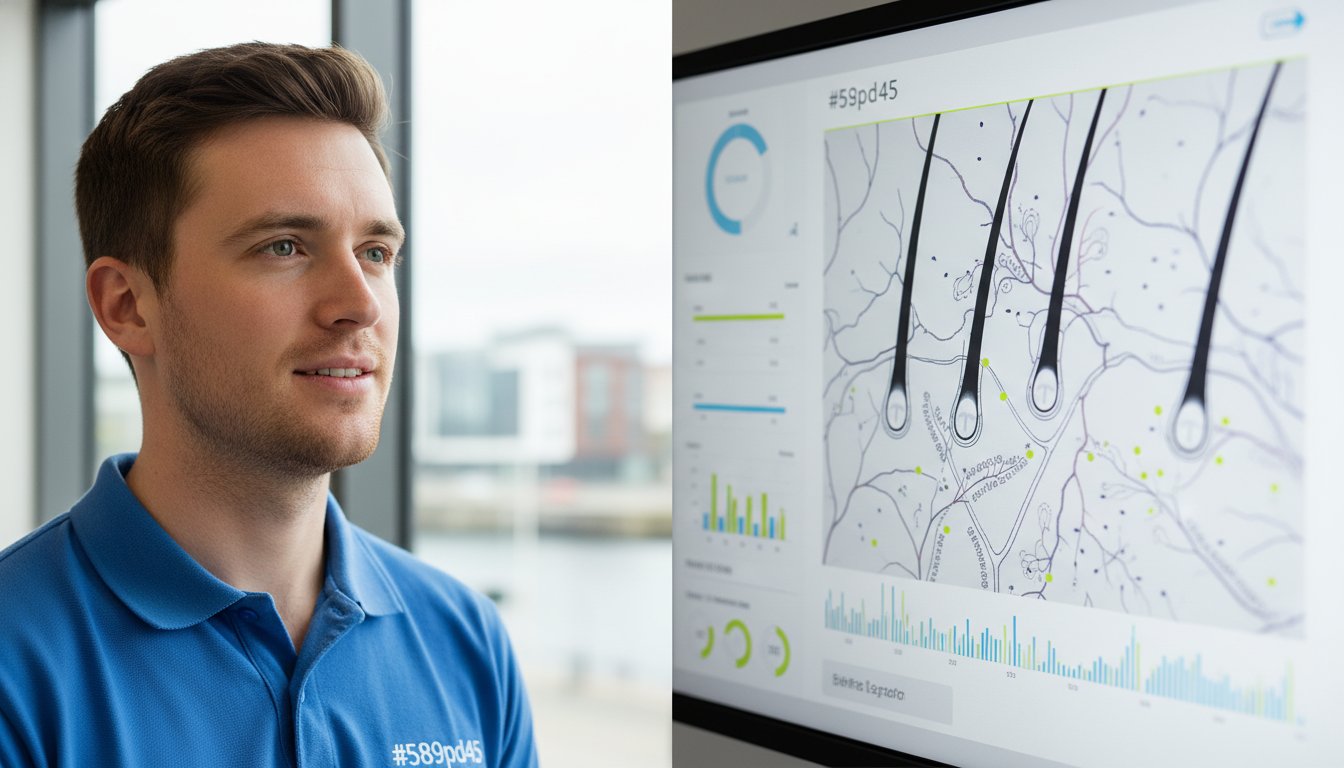
Scalp Health Check in Waterford
Did you know that 49% of Irish men under 30 report noticing signs of hair loss? It is a distressing realisation that often leads to a cycle of confusion...

Sudden Hair Loss in Women Over 40 Causes and Clinical Solutions
Imagine waking up to find more hair on your pillow than usual, or catching a glimpse of your scalp under the bright bathroom light.It is a moment...